





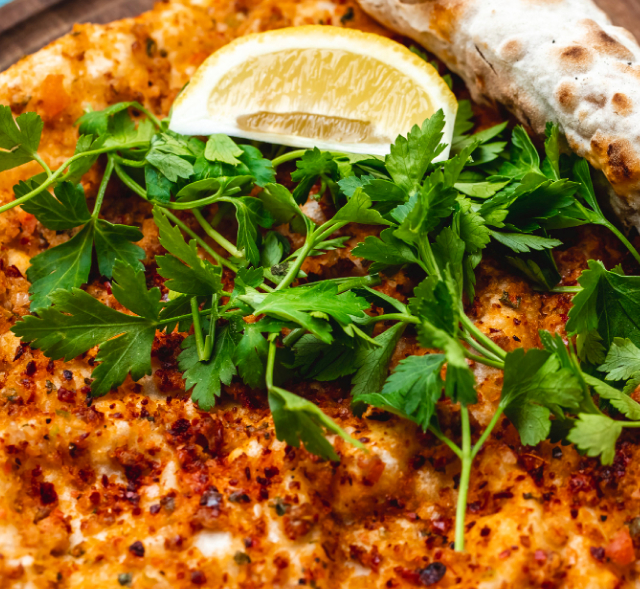
A Flavorful Odyssey: Tracing Lahmacun’s Beginnings
Lahmacun’s story begins over four thousand years ago in ancient Mesopotamia, where early cooks first pressed spiced minced meat onto flatbreads baked on hot stone slabs. This early “eqli” creation was prized for its portability and hearty nourishment, fueling travelers and laborers alike. As trade routes expanded into Anatolia, local bakers adopted stone‐oven methods and introduced new grains, spices, and dough techniques—setting the stage for lahmacun’s evolution into a regional staple.
Mesopotamian Beginnings
Before lahmacun became synonymous with Turkish cuisine, its ancestors already featured several key characteristics:
Stone‐baked flatbreads cooked directly on heated slabs for rapid, even crust formation
Simple meat toppings using local game or livestock, paired with regional spices
Hand‐held convenience, allowing the bread to serve as both plate and utensil
These ancient innovations laid the groundwork for centuries of culinary refinement.
From Village Ovens to Sultan’s Tables
In Anatolia, communal stone ovens formed the heart of village life. Neighbors gathered weekly to bake their dough, sharing stories while waiting for the aromas to fill the air. At the same time, the Ottoman court elevated lahmacun to a delicacy fit for the sultans: palace chefs meticulously refined fermentation times, meat ratios, and spice blends. Over time, the rustic village version and the sophisticated court interpretation influenced each other, enriching the dish’s cultural legacy.
Regional Flavors and Local Traditions
Anatolia’s diverse climates and cultures gave rise to unique regional variations:
Kayseri Style: An ultra‐thin crust topped with a mildly spiced mix of green peppers, parsley, and red pepper flakes.
Gaziantep Style: A lamb-rich filling seasoned with local isot chili flakes, sometimes garnished with crushed pistachios.
Adana Meat Pide: Technically a pide, but its bold flavors and hearty toppings share lahmacun’s spirit.
Each regional interpretation reflects its geography, shaping everything from spice intensity to dough texture.
Mastering the Dough and Toppings
Exceptional lahmacun balances a tender, elastic dough with a savory, well‐seasoned topping. High-gluten flour, filtered water, yeast, and salt form a soft dough, fermented for 1–2 hours to build flavor. Rolled just 2 mm thin and flash-baked in a 350–400°C stone oven, it emerges with crisp edges and a tender center.
Toppings are just as vital. A 70/30 mix of beef and lamb ensures richness without overwhelming fat. Blended with finely chopped onions, tomatoes, green peppers, and parsley, and seasoned with tomato paste, garlic, red pepper paste, cumin, and black pepper, the topping delivers a satisfying umami punch.
Contemporary Innovations and Global Appeal
As lahmacun expands its global reach, chefs adapt it to modern tastes. Vegan versions use spiced mushrooms or walnuts. Gluten-free options employ chickpea or almond flour crusts. Gourmet renditions might include crumbled feta, pomegranate molasses, or fresh microgreens—each innovation showcasing the dish’s versatility.
Serving Suggestions and Accompaniments
To elevate your lahmacun experience, try pairing it with:
Ayran: A chilled yogurt drink that refreshes and balances rich spices
Fresh greens: Mint, parsley, and arugula add brightness and texture
Lemon wedges: A squeeze of acidity that sharpens and enhances flavor
These accompaniments complement the dish without overshadowing its essence.
Experience History and Flavor at Pidde
From Mesopotamian hearths to the streets of New Jersey, lahmacun has journeyed across millennia. At Pidde, we craft each lahmacun with care—respecting centuries-old techniques while embracing thoughtful innovation.
Hungry for a bite of history? Place your order now and enjoy the timeless flavor of lahmacun, freshly made in our New Jersey kitchen.