





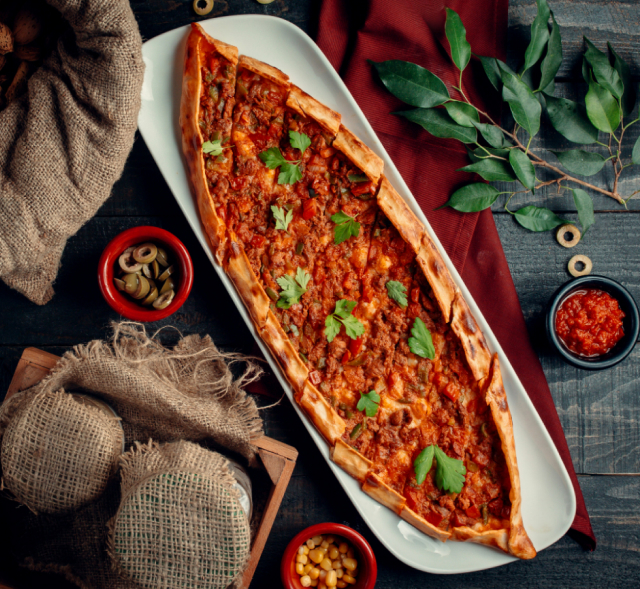
A Global Sensation Risen from Anatolia
Pide has transcended its humble village origins to become a worldwide phenomenon, captivating food lovers across continents. This boat-shaped flatbread—crispy at the edges, tender at the core—offers a unique canvas for endless flavor interpretations. Whether enjoyed in a bustling New York food hall or a cozy Istanbul bakery, pide invites exploration of both traditional recipes and inventive modern twists.
Ancient Roots and Traditional Craftsmanship
Long before industrial ovens and mass production, pide was shaped by hand and baked in communal stone furnaces. Villagers would gather at the neighborhood oven, sharing dough balls and stories while waiting for their flatbreads to emerge golden and fragrant. Each baker’s technique—kneading time, dough hydration, and baking temperature—was passed down through generations, ensuring that pide remained a deeply personal expression of place and family.
Communal Ovens and Modern Bakeries
Village Ovens: Hearths fueled by wood or charcoal created intense, localized heat for rapid baking.
Small-Batch Artisan Bakeries: Today’s micro-bakeries honor these methods, using wood-fired or deck ovens to preserve authentic textures.
Urban Pide Shops: In cities worldwide, pizza ovens adapted for higher temperatures allow chefs to replicate that signature crisp-yet-chewy bite.
The Anatomy of Pide: Dough, Toppings, and Technique
At its core, pide relies on three fundamental elements working in harmony: a perfectly fermented dough, a thoughtfully prepared topping, and precise baking conditions.
Key Dough Essentials
High-Protein Flour: Builds the gluten network needed for elasticity and chew.
Controlled Fermentation: A rest period of 1–2 hours develops complex flavors and light crumb structure.
Optimal Hydration: The right water-to-flour ratio ensures the dough stretches thin without tearing.
Classic vs. Contemporary Toppings
Cheese Varieties: Feta, kasar, or mozzarella bring creaminess and melt-pull.
Vegetable Combinations: Spinach with garlic, roasted peppers with goat cheese, or mushroom duos showcase seasonal produce.
Meat Selections: Ground lamb-beef blends, sucuk (Turkish sausage), and spiced kebab strips infuse depth and umami.
Why Pide Persists: Versatility and Community
Pide’s enduring popularity stems from its ability to unite diverse tastes and dining occasions. Its approachable format—long loaves perfect for sharing—encourages communal eating, whether among family at home or friends at a café.
Three Reasons Pide Resonates Globally
Customizable to Every Palate: From vegan to meat-laden, pide adapts to dietary preferences without losing its identity.
Quick, High-Heat Baking: Bakers can produce fresh pide in mere minutes, keeping menus dynamic and efficient.
Social Dining Experience: Its elongated shape invites slicing and sharing, fostering connection around the table.
Serving Pide at Your Table
To make your at-home pide night special, pair each loaf with simple accompaniments—chilled ayran, a crisp salad of cucumber and dill, or tangy pickles. A final squeeze of lemon or a drizzle of herb-infused olive oil can elevate the flavors and bring out the nuanced spiciness in your chosen topping.
Join Our Table at Pidde: Where Every Slice Tells a Story
From Anatolian village ovens to New Jersey’s vibrant culinary scene, pide bridges cultures, traditions, and tastes. At Pidde, we craft each flatbread with respect for its heritage and a taste for innovation—welcoming both the purist who craves a classic cheese pide and the adventurous diner eager for a fusion twist.
Come taste our story: at Pidde, each pide we bake is a heartfelt invitation to experience the warmth, flavor, and community of Turkish flatbread in New Jersey. Ready to enjoy authentic flavors right at your doorstep? Order now and bring the taste of tradition home.